
Gaining a Competitive Edge with Your Own Brand
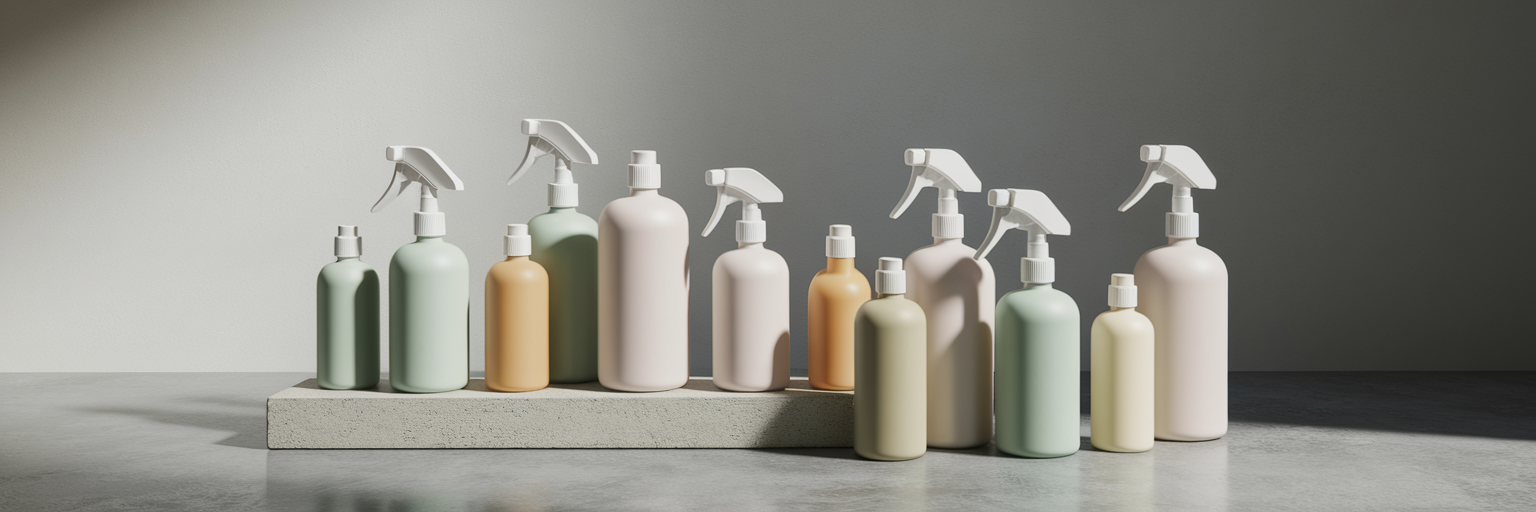
Walk down any aisle in a major U.S. retailer, and you will notice how much shelf space is dedicated to store brands. This is no accident. Consumers increasingly trust private brands, and this shift presents a significant opportunity for entrepreneurs in the cleaning and chemical industry. Private labeling is a model where a business sells products made by a third-party manufacturer under its own brand name. This approach offers clear private labeling benefits by allowing you to build a unique identity from day one.
Unlike reselling national brands, where you are just another distributor, private labeling lets you own the customer relationship. You are not just selling a product; you are building a brand that reflects your values and speaks directly to your target audience. This strategy allows you to create brand equity and customer loyalty without the prohibitive capital investment required to build and operate your own manufacturing facilities.
Improving Your Bottom Line Through Smart Manufacturing
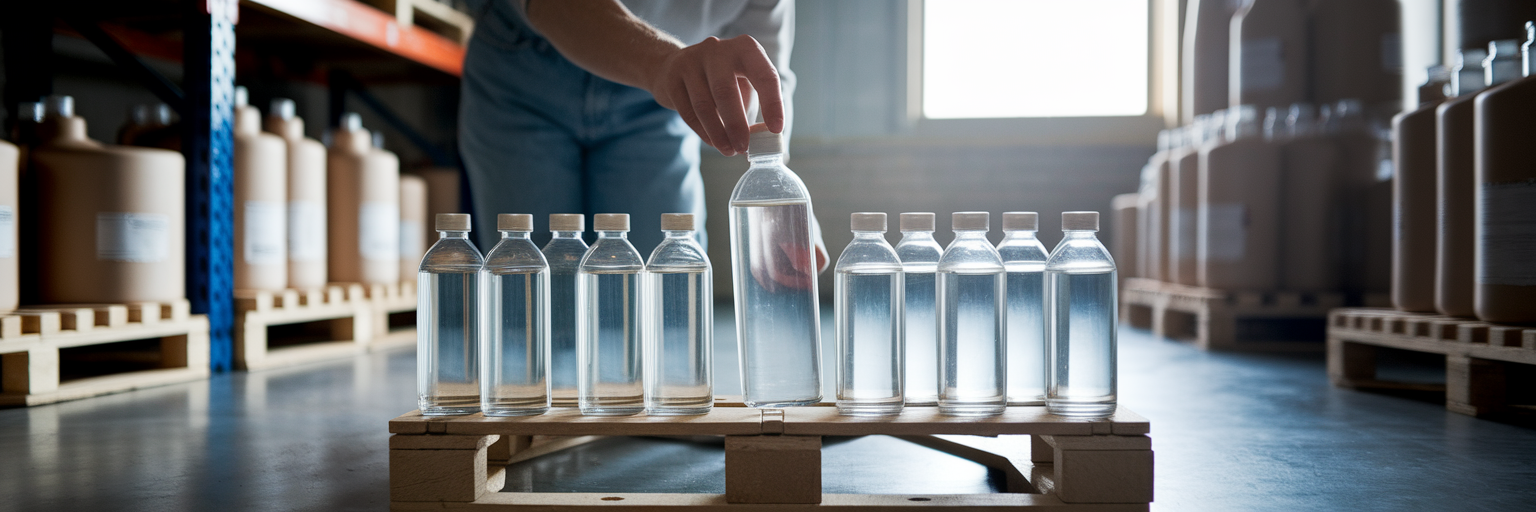
Beyond building a memorable brand, the financial structure of private labeling offers a clear path to profitability. The most immediate of the private label manufacturing advantages is the elimination of massive capital expenditures. You do not need to invest in research and development labs, manufacturing plants, or specialized equipment. Your manufacturing partner has already made those investments, and you get to benefit from their infrastructure.
This model directly improves your bottom line. Manufacturers purchase raw materials in bulk, achieving economies of scale that lower your per-unit cost. This is a financial lever most small businesses cannot access on their own. Furthermore, many partners offer lower minimum order quantities, which improves cash flow by reducing the amount of working capital tied up in inventory. You can source everything from household cleaners to specialized solutions, like the private label dish soap manufacturers featured on our platform. As industry resource Multi-Clean notes, when distributors create their own exclusive brands, higher profits are likely to follow because the price is not inflated by a national brand's marketing budget. This allows you to price competitively while retaining a healthier margin.
| Cost Factor | In-House Manufacturing | Private Label Manufacturing |
|---|---|---|
| Upfront Capital Investment | High (Facilities, Equipment) | Low to None |
| Research & Development | Significant Internal Cost | Included in Manufacturer's Service |
| Raw Material Costs | Higher (Lower Volume) | Lower (Bulk Purchasing Power) |
| Regulatory & Compliance | Managed Internally (High Cost/Risk) | Managed by Manufacturer |
| Inventory Holding Costs | High (Requires Warehouse Space) | Low (Lower MOQs, JIT Production) |
This table illustrates the fundamental cost structure differences between developing a product in-house and partnering with a private label manufacturer. The data highlights how private labeling shifts major capital and operational expenses to the manufacturing partner.
Shaping Your Product from Formula to Shelf
With a healthier bottom line, you gain the freedom to focus on what truly sets your product apart: its unique characteristics. Private labeling gives you direct control over the product itself, turning your vision into a tangible item on the shelf. This is where you can create truly branded chemical solutions that stand out. You are not limited to a one-size-fits-all product. Instead, you can fine-tune nearly every aspect to match your brand identity and meet customer expectations.
This level of customization is a core advantage. As a guide from Alibaba for sellers highlights, this model gives you complete control over ingredients, components, and pricing. By finding specialized suppliers like Arcadian Services through our directory, you can collaborate with experts to perfect your offering. Key areas of control include:
- Formula Customization: Choose from existing formulas or create a proprietary blend to meet specific performance goals, such as a faster-acting degreaser or an eco-friendly all-purpose cleaner.
- Scent and Color Profile: Select or develop unique fragrances and colors that align with your brand identity, from unscented options to signature aromas that create a memorable user experience.
- Packaging and Dispensing: Select unique bottle shapes, spray heads, caps, and materials that enhance user experience and create strong shelf appeal.
- Labeling and Branding: Design packaging that communicates your brand’s story and value proposition, capturing the attention of your target audience at a glance.
- Pricing Strategy: Set your own price points to strategically position your product in the market as a premium, mid-tier, or budget-friendly option.
Accelerating Your Time to Market
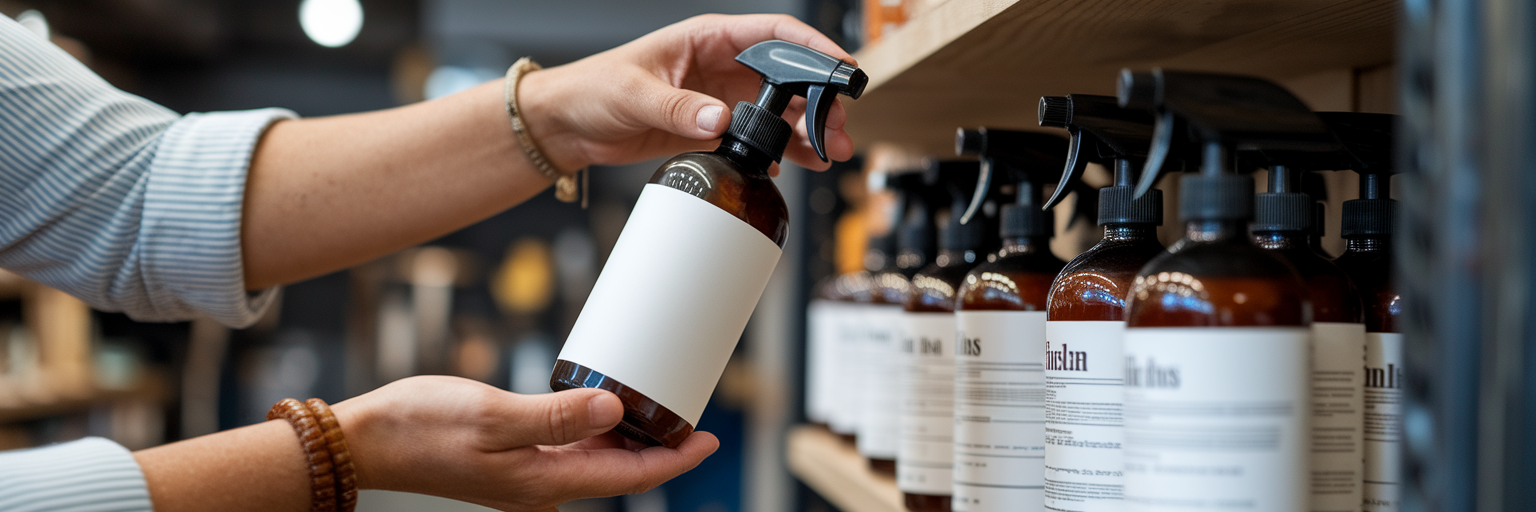
This level of control does not have to mean a slow, drawn-out process. In fact, it is quite the opposite. In the consumer goods market, speed is a critical competitive advantage. Private labeling allows you to move from concept to launch in a fraction of the time it would take to develop a product from scratch. The key is leveraging your manufacturer’s library of pre-tested and regulatory-approved formulations.
Instead of spending months or even years on R&D, stability testing, and navigating regulatory hurdles, you can follow a streamlined path:
- Select a proven formula that meets your performance requirements.
- Finalize your unique label design and packaging choices.
- Move directly to production.
This agility enables your business to capitalize on emerging trends, like a new consumer preference for a specific plant-based ingredient, or quickly fill a gap left by slower competitors. Finding a local partner, such as one of the manufacturers in Michigan listed in our directory, can further streamline logistics and accelerate your launch.
Targeting Specialized Markets with Custom Solutions
This speed allows you to do more than just launch a product; it lets you serve specific customer needs that larger brands often ignore. One of the most powerful applications of private labeling is the ability to target niche markets effectively. While mass-market brands create generic products for the broadest possible audience, you can develop specialized private label cleaning products for a dedicated customer base.
Consider the possibilities. You could create a line of cleaners with Green Seal™ certification for eco-conscious households. Or perhaps you could develop high-performance metal polishes for automotive detailers who demand professional-grade results. You can even serve commercial clients with industrial-strength formulas for businesses, like those offered by suppliers in our janitorial market category. By offering a tailored solution to a specific problem, you build a loyal following that sees your brand as the go-to expert for their unique needs.
Ensuring Product Safety and Regulatory Adherence

While creating custom products is exciting, it comes with a responsibility that can feel overwhelming: regulatory compliance. The chemical industry is governed by a complex web of federal and state laws. This is where one of the most crucial private label product benefits comes into play. A reputable manufacturing partner acts as your regulatory expert, navigating this landscape for you.
These manufacturers have dedicated teams that ensure every product is compliant, mitigating significant legal and financial risks. They manage the critical documentation and certifications that not only keep you compliant but also build consumer trust. A good partner will handle:
- Safety Data Sheets (SDS): Providing essential information on handling, storage, and emergency procedures for each chemical product.
- Federal and State Compliance: Ensuring formulations and labeling meet all legal requirements, including those from the EPA and state-specific rules like California's Proposition 65.
- Third-Party Certifications: Assisting in securing valuable eco-certifications such as EPA Safer Choice, Green Seal™, or EcoLogo™ to appeal to environmentally conscious consumers.
- Label Ingredient Disclosure: Guaranteeing that all labels accurately reflect the product's contents in accordance with consumer transparency laws.
This partnership allows you to focus on building your brand and growing your business, confident that your products are safe, effective, and fully compliant. This is why finding the right partner is so critical. The first step is to explore the curated directory of verified manufacturers we have assembled on Private Label Hub.